Taoism
Discover the way of nature, balance, and harmony through ancient Taoist wisdom
Core Philosophy & Principles
Taoist philosophy is rooted in the observation of nature and the belief that human beings should live in harmony with the Tao (the Way), the fundamental principle that flows through all things.
Wu Wei (Non-Action 無為)
Imagine watching a river. It never hesitates at a boulder, never fights the terrain, yet it carves grand canyons over millennia. This is Wu Wei in its purest form. Often misunderstood as passivity, Wu Wei is the art of acting without forcing, of achieving without striving. Laozi wrote: 'The Dao does nothing, yet nothing is left undone.' A master calligrapher does not wrestle with the brush; years of practice dissolve the boundary between intention and movement. Wu Wei asks us to trust the current of life, to recognize when our struggles are the very obstacles we seek to overcome. It is not laziness but the highest form of skill, where effort becomes invisible.
Yin & Yang (陰陽)
Before there was light, there was no darkness. Before there was sound, there was no silence. Yin and Yang is the ancient recognition that all things exist in dynamic pairs. But these are not enemies locked in battle; they are dance partners, each giving meaning to the other. The Yijing tells us that when Yang reaches its zenith, Yin is already being born within it. Consider a mountain: the sunny southern slope is Yang, the shaded northern face is Yin, yet they are one mountain. This insight extends far beyond philosophy into Chinese medicine, martial arts, cuisine, and architecture. True wisdom lies not in choosing one over the other, but in understanding their ceaseless transformation.
Ziran (Naturalness 自然)
A pine tree on a cliff does not consult a manual on how to grow. It twists toward the light, grips the rock, and becomes beautiful precisely because it follows its own nature. Ziran, meaning 'self-so' or 'of-itself-thus,' is the Daoist celebration of this kind of authenticity. Laozi declared: 'Humanity follows Earth, Earth follows Heaven, Heaven follows the Dao, and the Dao follows Ziran.' Remarkably, Ziran sits above even the Dao in this hierarchy, as the principle by which all things unfold according to their own inner logic. In a world that constantly asks us to perform, conform, and optimize, Ziran whispers: you were already enough before the world told you otherwise.
Classic Texts
The wisdom of Taoism is preserved in its classic scriptures, which offer profound insights into the nature of reality and human existence.
Tao Te Ching
Laozi
The Tao Te Ching stands as the foundational scripture of Taoism, a compact yet infinitely layered masterwork of just 5,000 characters arranged in 81 verses. Written in terse, paradoxical prose that resists easy interpretation, it explores the nature of the Tao, the art of governance through non-interference, and the cultivation of personal virtue. Its opening declaration that the Tao that can be spoken is not the eternal Tao has echoed through millennia, inspiring philosophers, poets, and spiritual seekers worldwide. It remains the most translated Chinese classic, second only to the Bible in the number of translations worldwide.
Zhuangzi
Zhuangzi
The Zhuangzi is the most brilliantly literary of all Chinese philosophical texts, a dazzling tapestry of parables, dialogues, and wild flights of imagination. Through stories of butchers who carve with spiritual precision, dreamers who become butterflies, and ancient trees that thrive by being useless, Zhuangzi dismantles conventional thinking and reveals the limitless freedom available to those who harmonize with the Tao. Its humor, irreverence, and philosophical depth have made it one of the most beloved works in the entire Chinese literary tradition, influencing Chan Buddhism, landscape painting, and poetry for over two thousand years.
Liezi
Lie Yukou
The Liezi is a captivating collection of stories, fables, and philosophical reflections that blends Taoist metaphysics with fantastical imagination. It tells of people who ride the wind, islands supported by giant turtles, and a foolish old man who moves mountains through sheer persistence. Beneath its entertaining surface lies a sophisticated exploration of fate, emptiness, and the nature of reality. Honored as one of the three pillars of Taoist philosophy alongside the Tao Te Ching and Zhuangzi, it was granted the title True Scripture of Simplicity and Emptiness during the Tang Dynasty.
Terminology & Glossary
A comprehensive guide to essential Taoist terms and concepts
Sacred Mountains & Temples
China is home to many sacred Taoist mountains and ancient temples that have served as centers of practice and pilgrimage for centuries.
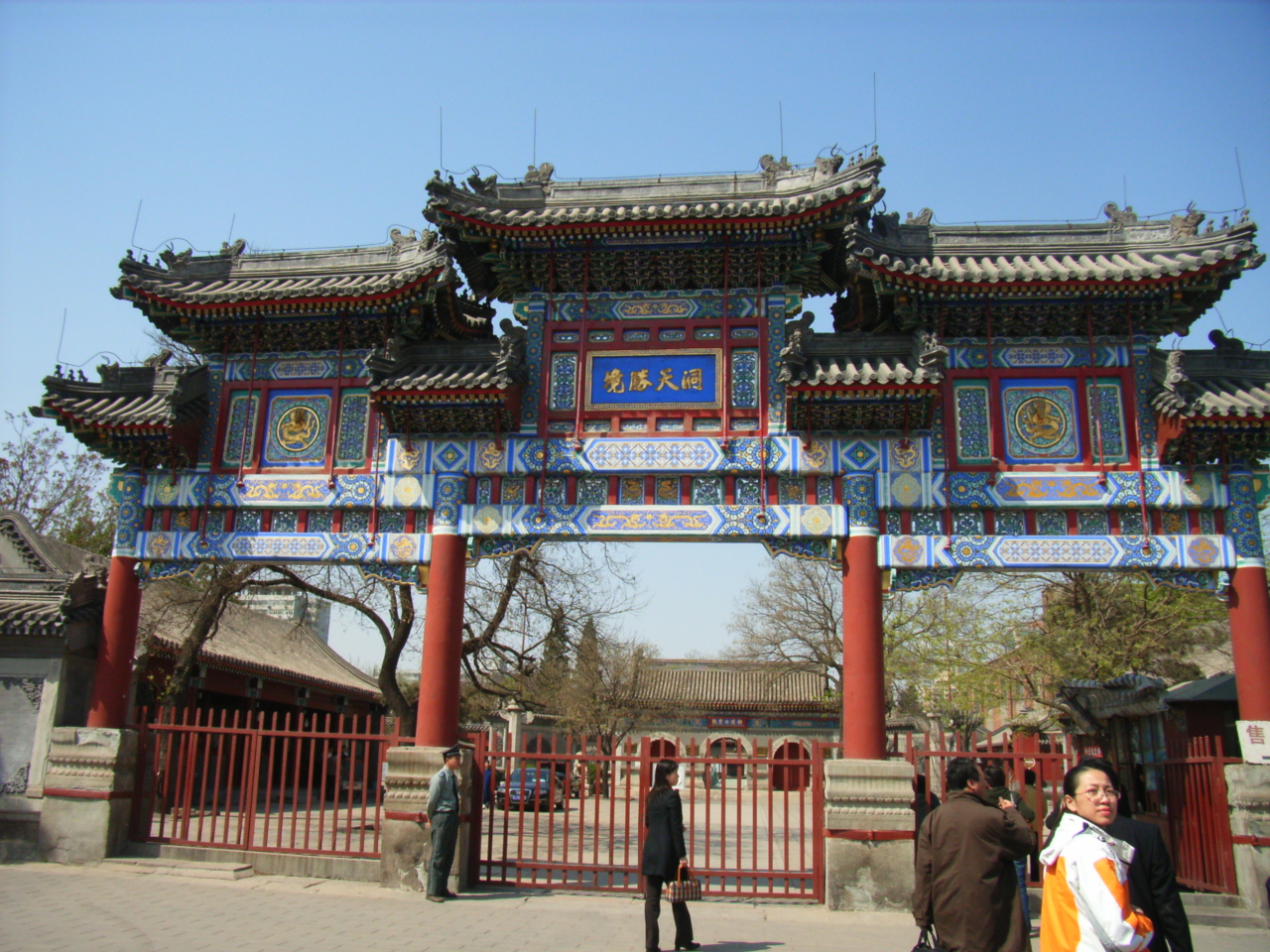
White Cloud Temple (Beijing)
Known as 'The First Temple under Heaven', it is the headquarters of the Quanzhen (Complete Perfection) sect of Taoism and a major center for Taoist training and ceremonies.

Wudang Mountains
A UNESCO World Heritage site, famous for its complex of ancient palaces and temples. It is the birthplace of Wudang martial arts and a center for the worship of the deity Zhenwu.
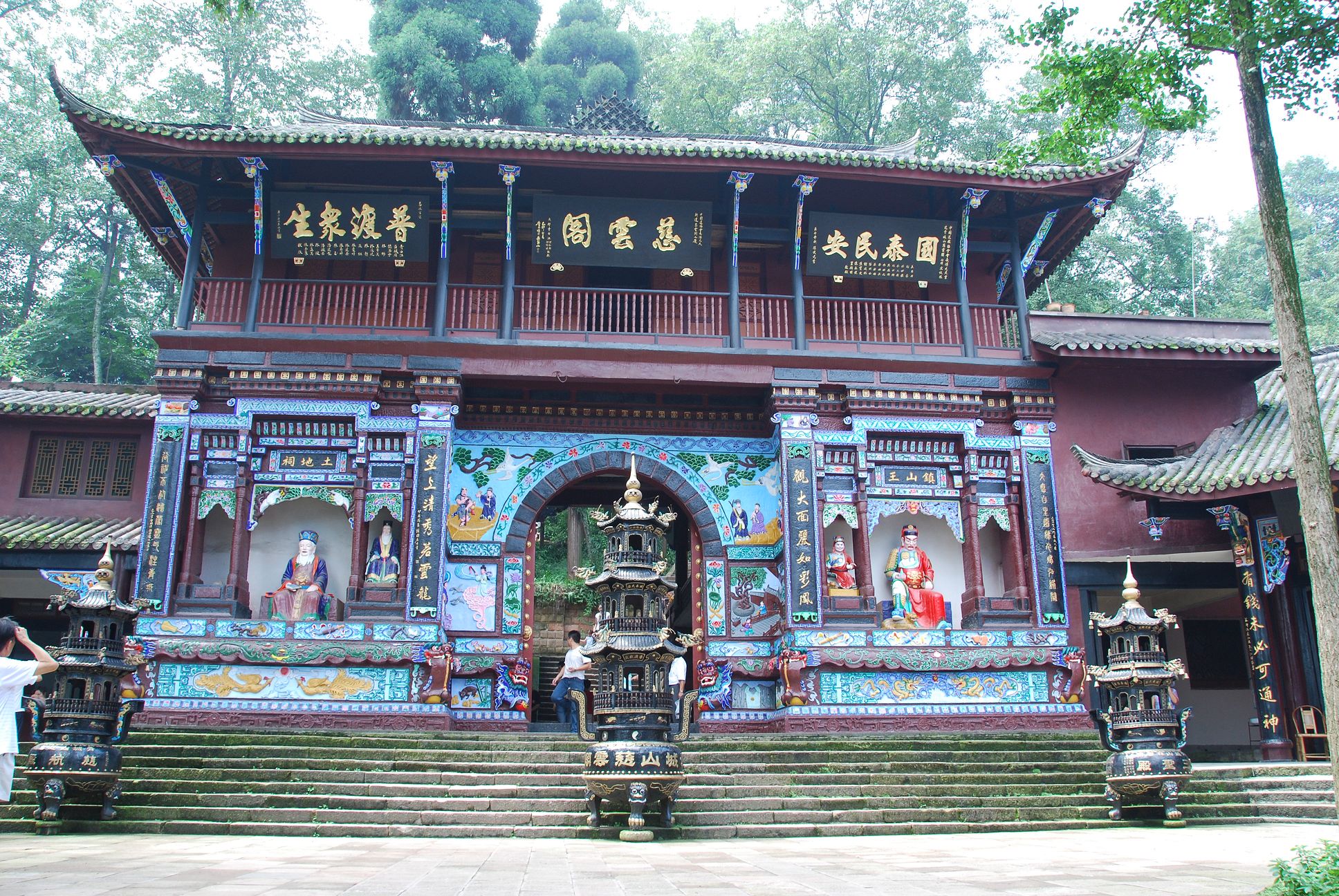
Mount Qingcheng
Considered the birthplace of Taoism, where Zhang Daoling founded the Way of the Celestial Masters. It is known for its lush, tranquil environment and numerous ancient temples.
Tao Masters & Patriarchs
Learn from the wisdom of history's greatest Taoist masters whose teachings continue to guide spiritual seekers today.
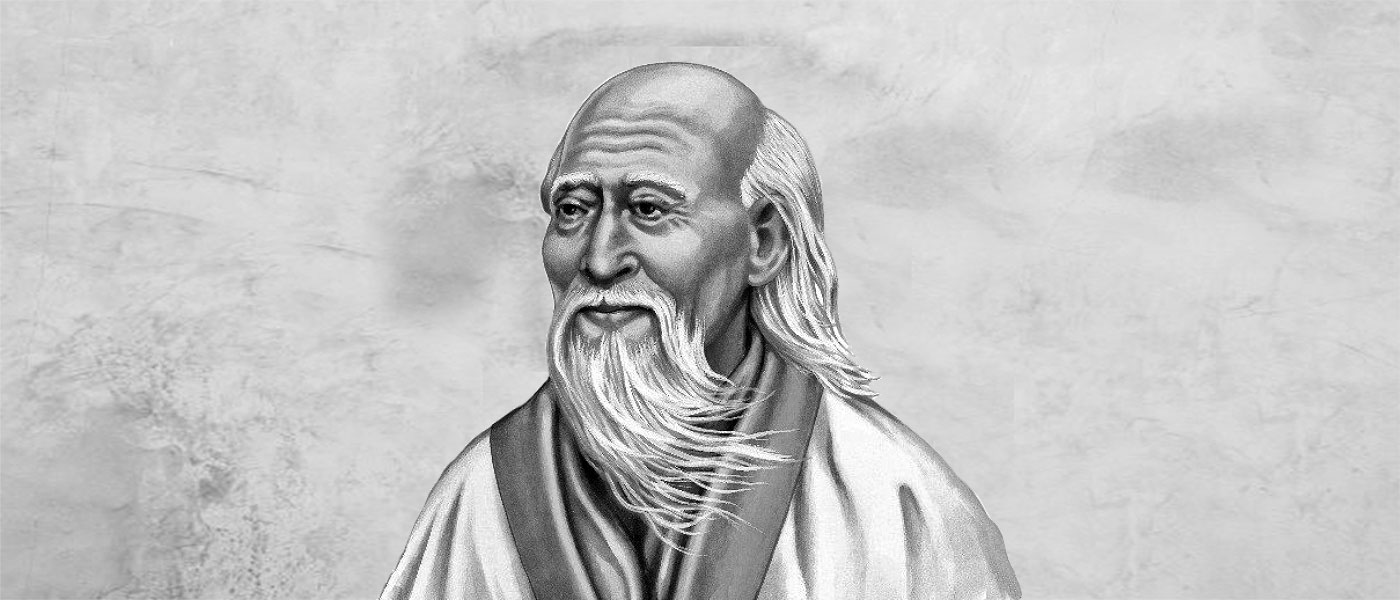
Laozi
6th century BCE (traditional)
The legendary founder of Taoism and author of the Tao Te Ching, whose profound wisdom on the Way continues to illuminate paths to harmony.
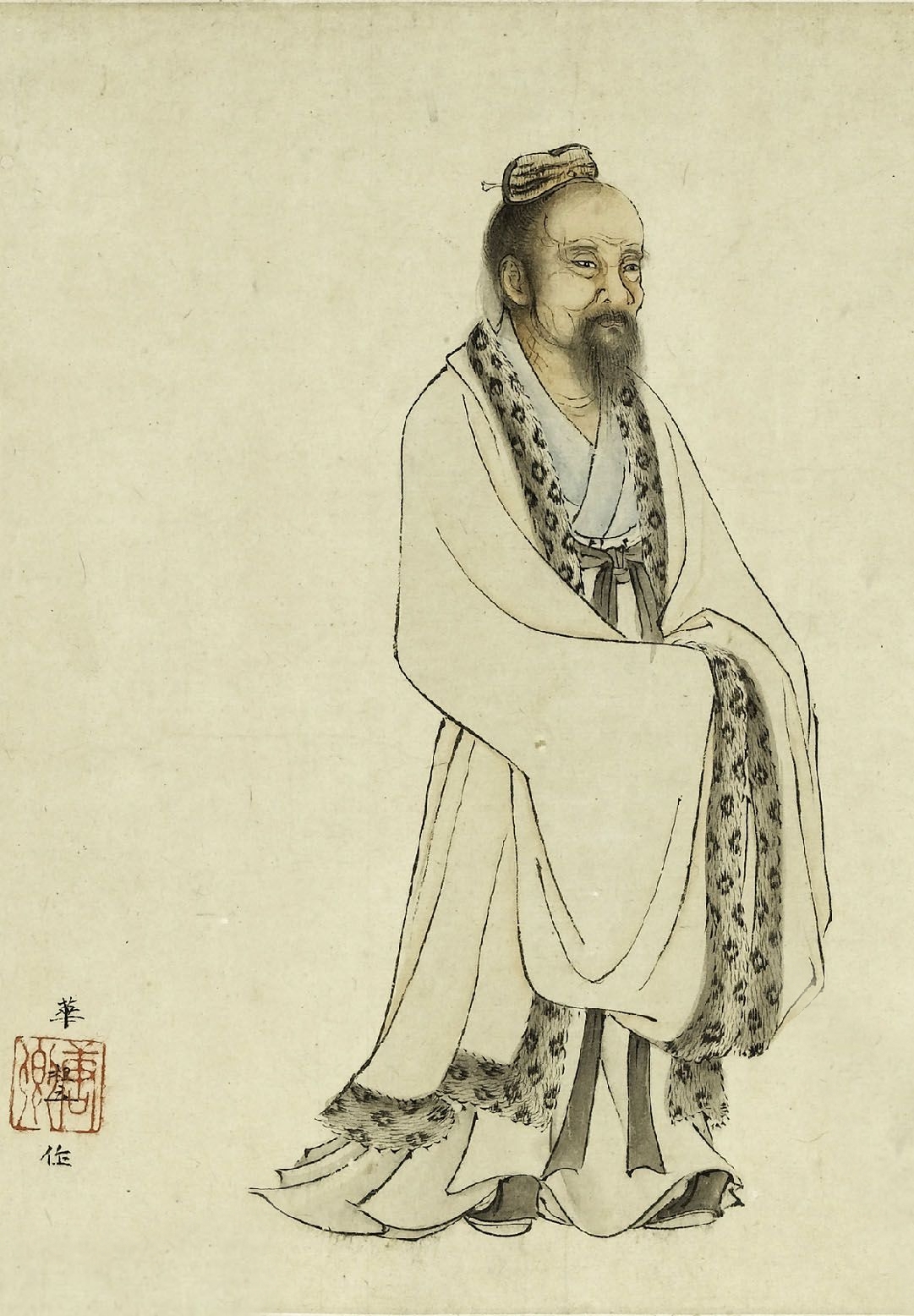
Zhuangzi
4th century BCE (Warring States period)
Master storyteller and philosopher whose parables and paradoxes reveal the path to spiritual freedom and transformation.
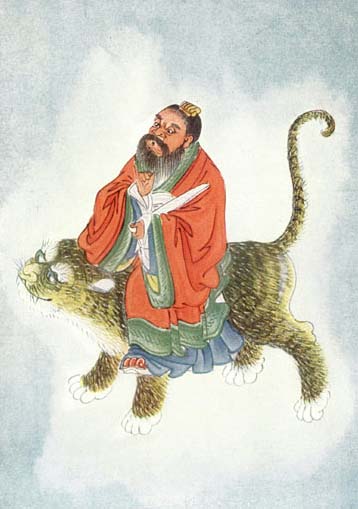
Zhang Daoling
2nd century CE (Eastern Han Dynasty)
Founder of organized religious Taoism and the first Celestial Master, who transformed Taoist philosophy into a living spiritual tradition.
Video Resources
Curated educational videos on Taoist philosophy, practice, and culture
Taoist Treasures
Enhance your practice with our collection of authentic Taoist items.
shopping_bagVisit Store