Sacred Mountains & Temples
China is home to many sacred Taoist mountains and ancient temples that have served as centers of practice and pilgrimage for centuries.
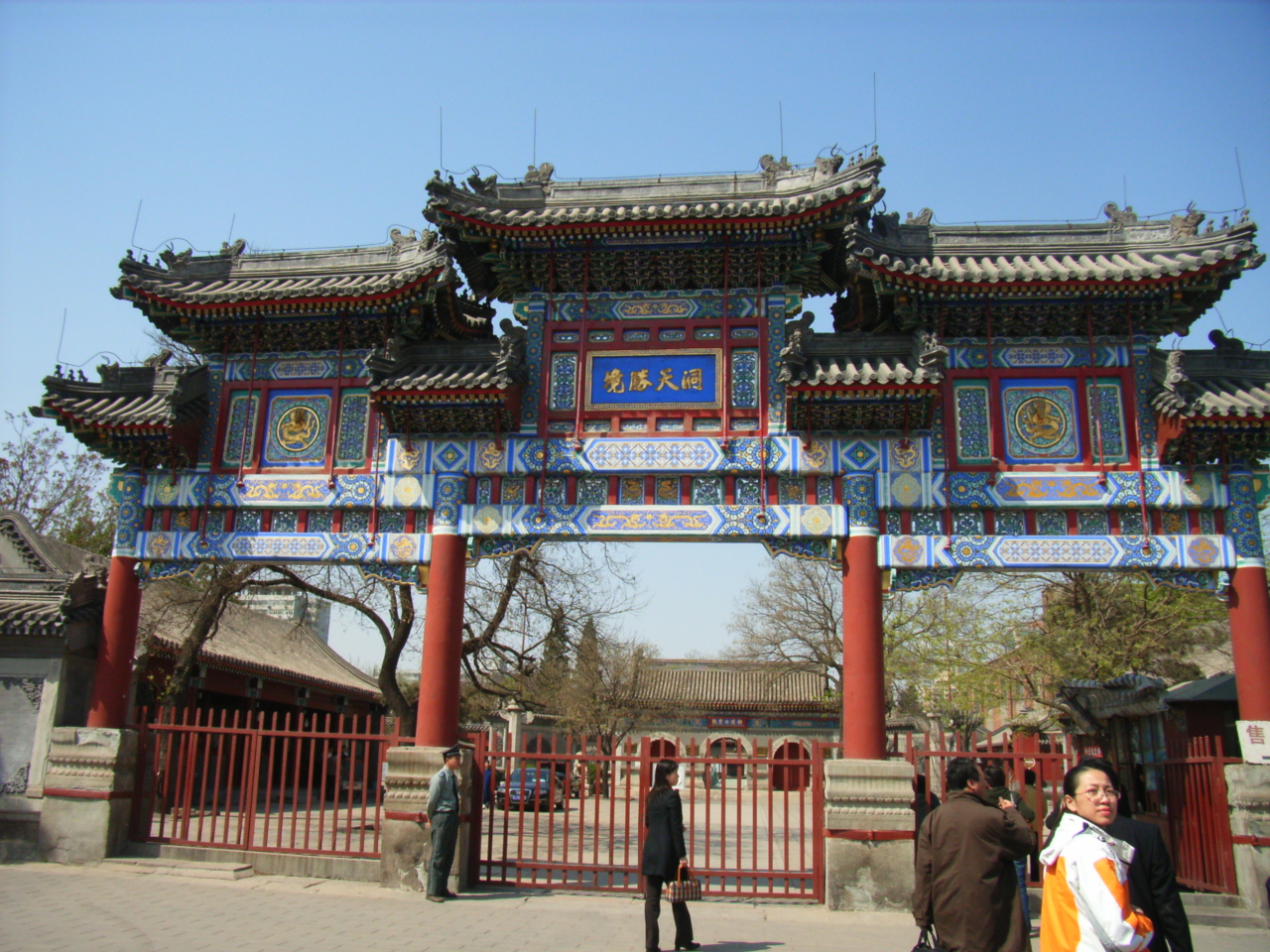
White Cloud Temple (Beijing)
Known as 'The First Temple under Heaven', it is the headquarters of the Quanzhen (Complete Perfection) sect of Taoism and a major center for Taoist training and ceremonies.
historyHistory
Established in 739 CE, it became the headquarters of the Quanzhen movement under Qiu Chuji. Most current architecture dates from the Ming and Qing dynasties.
starsSignificance
One of 'The Three Great Ancestral Courts' of Quanzhen Taoism. A spiritual sanctuary and center for Taoist training.
infoKey Details
Features the Hall of Three Purities, Jade Emperor Hall, and Qiuzu Hall. Known for the Wofeng Bridge and stone monkeys believed to grant luck.
auto_storiesDetailed History
Originally built in 739 CE during the Tang Dynasty as the Tianchang Temple. In 1224, Genghis Khan invited the famous Taoist master Qiu Chuji to stay here, after which it became the center of Quanzhen Taoism. The temple was destroyed and rebuilt multiple times, with the current structures mainly dating from the Ming (1368-1644) and Qing (1644-1912) dynasties. During the Cultural Revolution, it was closed but reopened in 1981 and has since been restored to its role as the primary center of Quanzhen Taoism in China.
updateRecent Developments
Underwent major restoration in the 1980s and 1990s. Today it serves as the headquarters of the Chinese Taoist Association. The temple hosts the annual Temple Fair during Chinese New Year, attracting thousands of visitors. In recent years, it has established programs for training Taoist priests and promoting traditional Taoist culture.
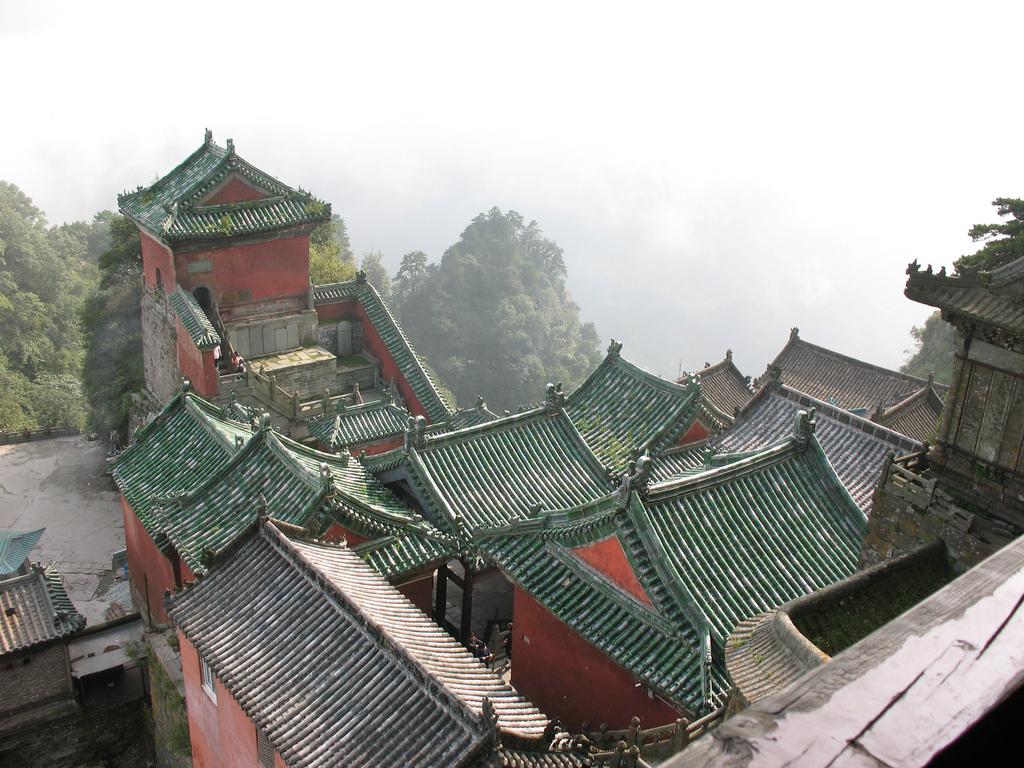
Wudang Mountains
A UNESCO World Heritage site, famous for its complex of ancient palaces and temples. It is the birthplace of Wudang martial arts and a center for the worship of the deity Zhenwu.
historyHistory
A religious center since the Spring and Autumn Period. The massive temple complex was built during the Ming Dynasty under the Yongle Emperor.
starsSignificance
One of the 'Four Sacred Mountains of Taoism'. Famous as the birthplace of Tai Chi and Wudang martial arts.
infoKey Details
Home to the Golden Hall, Purple Cloud Temple, and Nanyan Temple. The architecture reflects Taoist spiritual essence.
auto_storiesDetailed History
Wudang has been a sacred mountain since the Spring and Autumn Period (770-476 BCE). The golden age came during the Ming Dynasty (1368-1644) when Emperor Yongle ordered the construction of a massive temple complex employing 300,000 workers over 12 years. The complex originally contained 9 palaces, 9 monasteries, 36 nunneries, 72 rock temples, and 39 bridges. Zhang Sanfeng, the legendary founder of Tai Chi, is said to have practiced here in the 14th century. The site suffered damage during various periods but has been continuously maintained as a center of Taoist worship and martial arts training.
updateRecent Developments
Designated as a UNESCO World Heritage Site in 1994. Major restoration projects have been ongoing since the 1980s. The Wudang martial arts academy continues to train students from around the world. In recent years, the site has attracted millions of tourists annually and has become a center for promoting traditional Chinese culture and wellness practices.
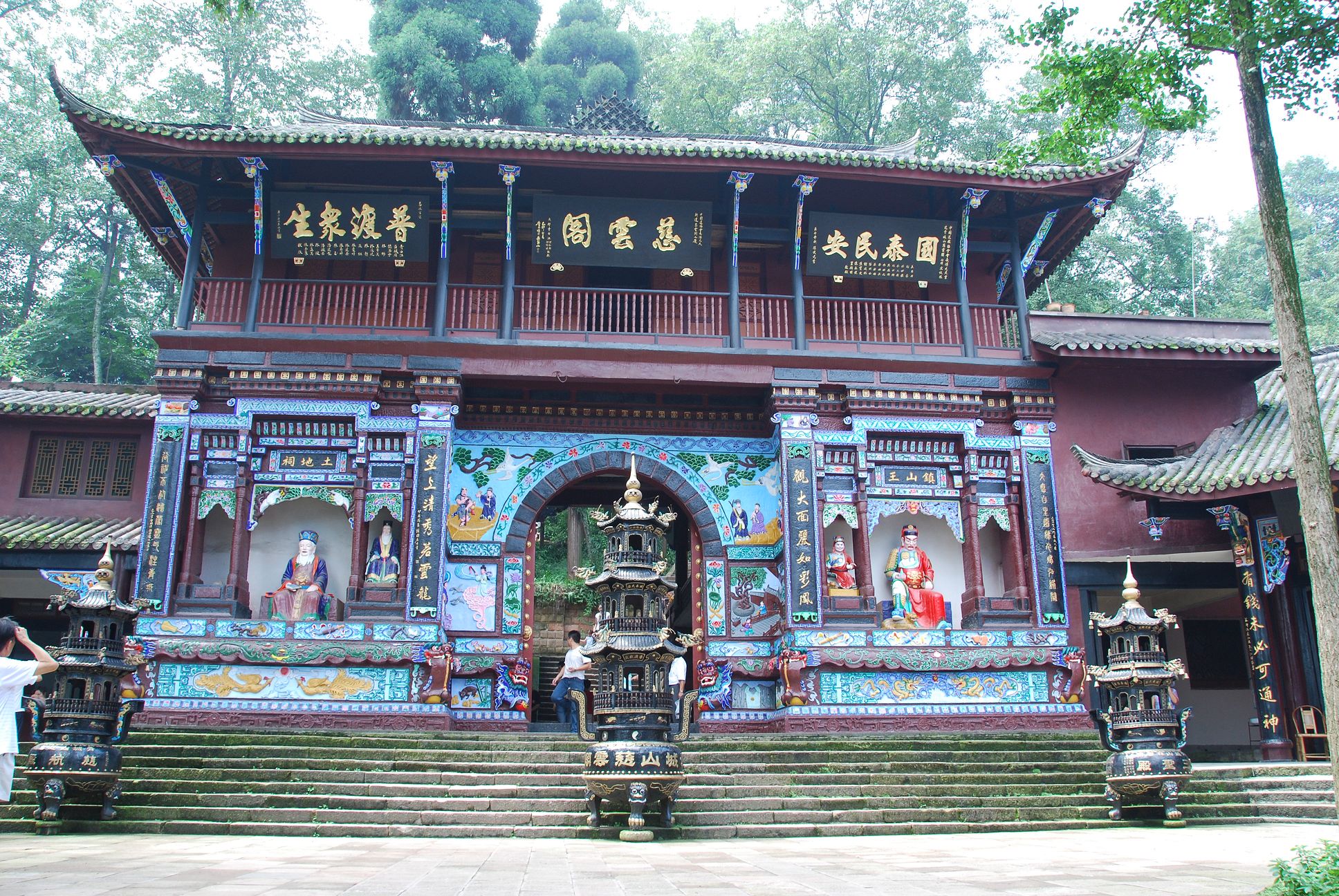
Mount Qingcheng
Considered the birthplace of Taoism, where Zhang Daoling founded the Way of the Celestial Masters. It is known for its lush, tranquil environment and numerous ancient temples.
historyHistory
The site where Zhang Daoling founded the Way of the Five Pecks of Rice in 142 CE. A spiritual center for millennia.
starsSignificance
One of the birthplaces of Taoism and a UNESCO World Heritage Site. Known as 'The Most Secluded Place under Heaven'.
infoKey Details
Features Jianfu Palace, Shangqing Palace, and Tianshi Cave (where Zhang Daoling practiced). Known for its lush, green landscape.
auto_storiesDetailed History
In 142 CE, Zhang Daoling established the Way of the Five Pecks of Rice (later known as the Celestial Masters sect) on Mount Qingcheng, making it one of the birthplaces of organized Taoism. The mountain has over 20 Taoist temples built during various dynasties, with the oldest structures dating back to the Jin Dynasty (265-420 CE). Jianfu Palace was originally built in the Tang Dynasty. The mountain has been continuously occupied by Taoist practitioners for nearly 2,000 years. During the Tang and Song dynasties, it was a major pilgrimage site for emperors and nobles.
updateRecent Developments
Inscribed as a UNESCO World Heritage Site in 2000 along with the Dujiangyan Irrigation System. The site underwent significant reconstruction after the 2008 Wenchuan earthquake. Conservation efforts focus on preserving the ancient architecture and natural environment. The mountain continues to attract both religious pilgrims and tourists, with a cable car built to improve access while preserving the sacred sites.
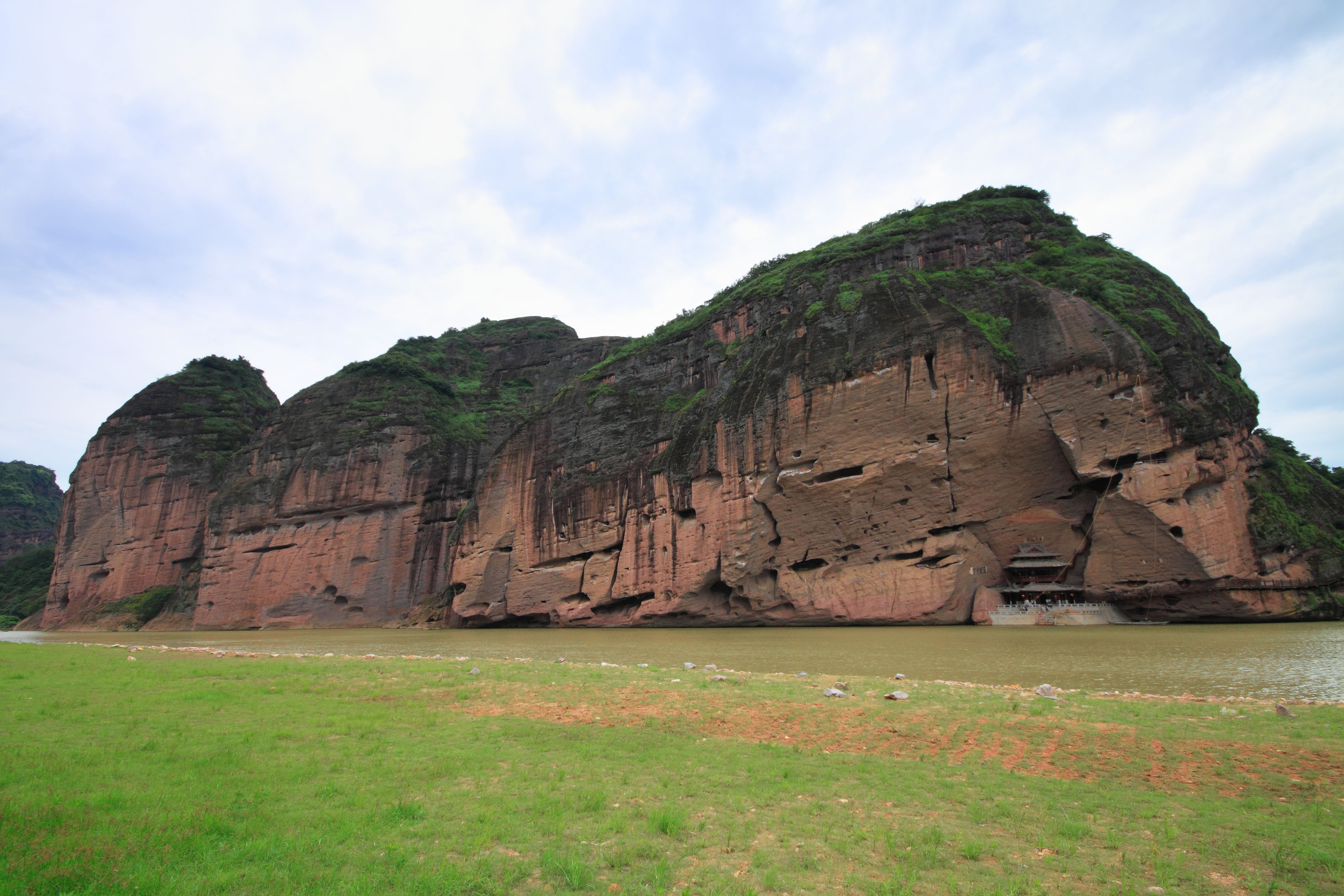
Mount Longhu (Dragon Tiger Mountain)
A sacred mountain area in Jiangxi province, known as the ancestral home of the Celestial Masters and famous for its Danxia landforms.
historyHistory
Legend has it that Zhang Daoling refined the pill of immortality here. It has been the residence of the Celestial Masters for generations.
starsSignificance
The birthplace of Religious Taoism (Zhengyi sect). A UNESCO Global Geopark.
infoKey Details
Home to the Tianshi Mansion (residence of the Celestial Masters) and Shangqing Palace. Famous for its hanging coffins and river rafting.
auto_storiesDetailed History
According to tradition, Zhang Daoling, the founder of the Celestial Masters sect, achieved enlightenment and refined elixirs on this mountain in the 2nd century CE. His descendants, holding the hereditary title of Celestial Master, resided here for 63 generations over nearly 1,900 years until 1949. The Tianshi Mansion, built during the Ming Dynasty, served as their residence and administrative center. The mountain is also famous for its 2,600-year-old hanging coffins suspended on cliff faces, a mysterious ancient burial practice. The area features stunning Danxia landforms with red cliffs rising above the Luxi River.
updateRecent Developments
Designated as a UNESCO Global Geopark in 2010 recognizing its geological significance. The Tianshi Mansion and temples have been restored and opened to tourists. The site has developed eco-tourism, including bamboo raft trips on the Luxi River. Recent archaeological studies have focused on the ancient hanging coffins, revealing insights into the ancient Guyue culture. The area continues to be an important pilgrimage site for Zhengyi Taoists.
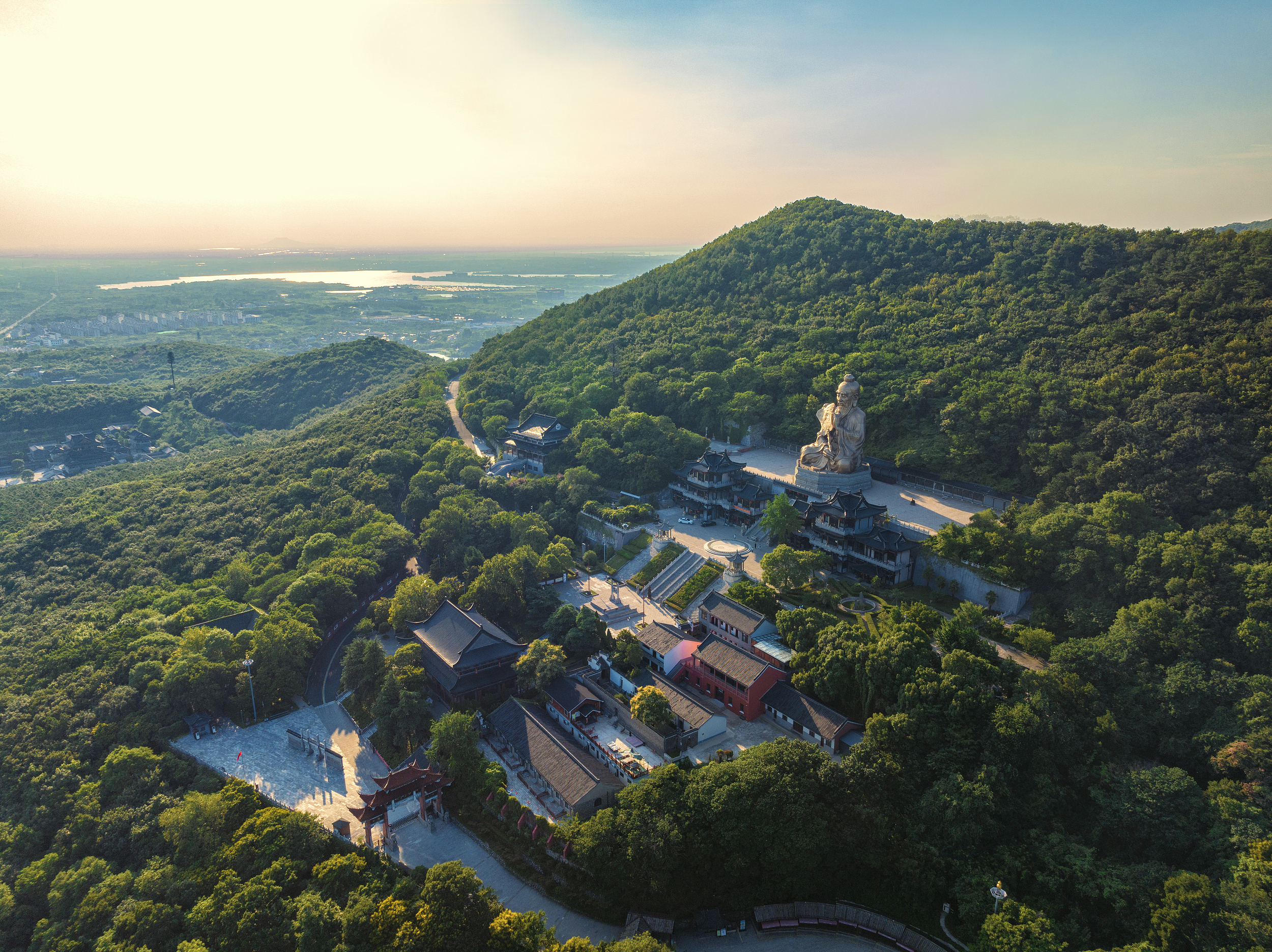
Mount Mao (Maoshan)
A famous Taoist mountain in Jiangsu province, known as the center of the Shangqing (Highest Clarity) school of Taoism.
historyHistory
Became a major center of Taoism during the Han Dynasty. The Shangqing revelations were received here in the 4th century.
starsSignificance
The cradle of the Shangqing School. Known as the 'First Land of Blessings' and 'Eighth Grotto Heaven'.
infoKey Details
Features the Yuanfu Wanning Palace and Jiuxiao Wanfu Palace. Known for its talismanic traditions and beautiful scenery.
auto_storiesDetailed History
Mount Mao became a significant Taoist site during the Western Han Dynasty (206 BCE - 9 CE) when the Mao brothers (Mao Ying, Mao Gu, and Mao Zhong) practiced here, giving the mountain its name. In the 4th century CE, the divine revelations that formed the basis of the Shangqing (Supreme Purity) school were received by Yang Xi on this mountain. During the Tang and Song dynasties, Maoshan was at its peak with over 30 Taoist temples and palaces. The school specialized in talismanic magic, meditation, and internal alchemy. Many emperors sent offerings to the mountain. The site suffered significant damage during various conflicts but has been repeatedly rebuilt.
updateRecent Developments
Major restoration projects began in the 1980s. The main palaces have been reconstructed and opened to visitors. Maoshan has become a popular tourist destination and pilgrimage site. The mountain now hosts cultural festivals celebrating Taoist traditions and the Mao brothers. Educational programs about Shangqing Taoism and traditional Chinese medicine are offered. The site also maintains a museum dedicated to revolutionary history, as it was a resistance base during World War II.
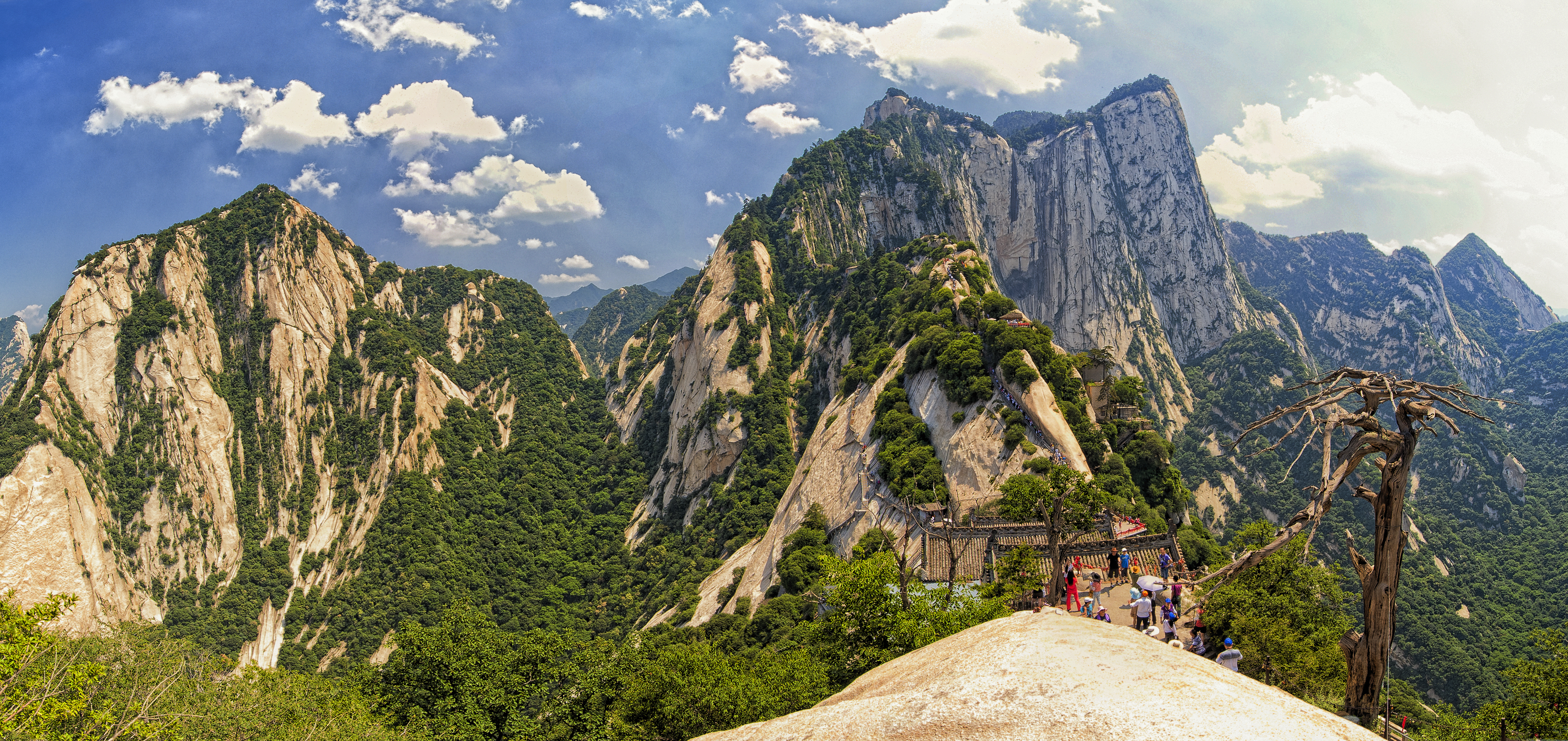
Mount Hua (Huashan)
One of the Five Great Mountains of China, known for its steep and dangerous peaks. It has a long history of Taoist presence and is associated with the Complete Perfection sect.
historyHistory
Taoist temples have existed here since at least the 2nd century BCE. It is a traditional place for retreat and cultivation.
starsSignificance
The Western Great Mountain. Known for its 'dangerous' beauty and as a site for spiritual testing.
infoKey Details
Features the Jade Spring Temple, Zhenwu Palace, and the famous Plank Walk in the Sky.
auto_storiesDetailed History
Mount Hua has been associated with Taoism since the 2nd century BCE, with hermits and practitioners attracted to its remote, steep peaks. During the Tang and Song dynasties, many famous Taoist masters practiced here. The mountain has five main peaks, each with its own temples and shrines. Chen Tuan, a famous Taoist master of the 10th century, is said to have practiced here and achieved enlightenment. The Jade Spring Temple at the base was built during the Song Dynasty. The mountain was traditionally considered a test of spiritual and physical courage, with pilgrims climbing its treacherous paths as an act of devotion.
updateRecent Developments
Cable cars and improved pathways have been installed since the 1990s, making the peaks more accessible while preserving sacred areas. The mountain attracts millions of visitors annually, both for its natural beauty and spiritual significance. The famous Plank Walk in the Sky remains a popular attraction for adventurous visitors. Conservation efforts focus on balancing tourism development with preservation of the mountain's natural and cultural heritage. Annual Taoist ceremonies continue to be held at various temples.
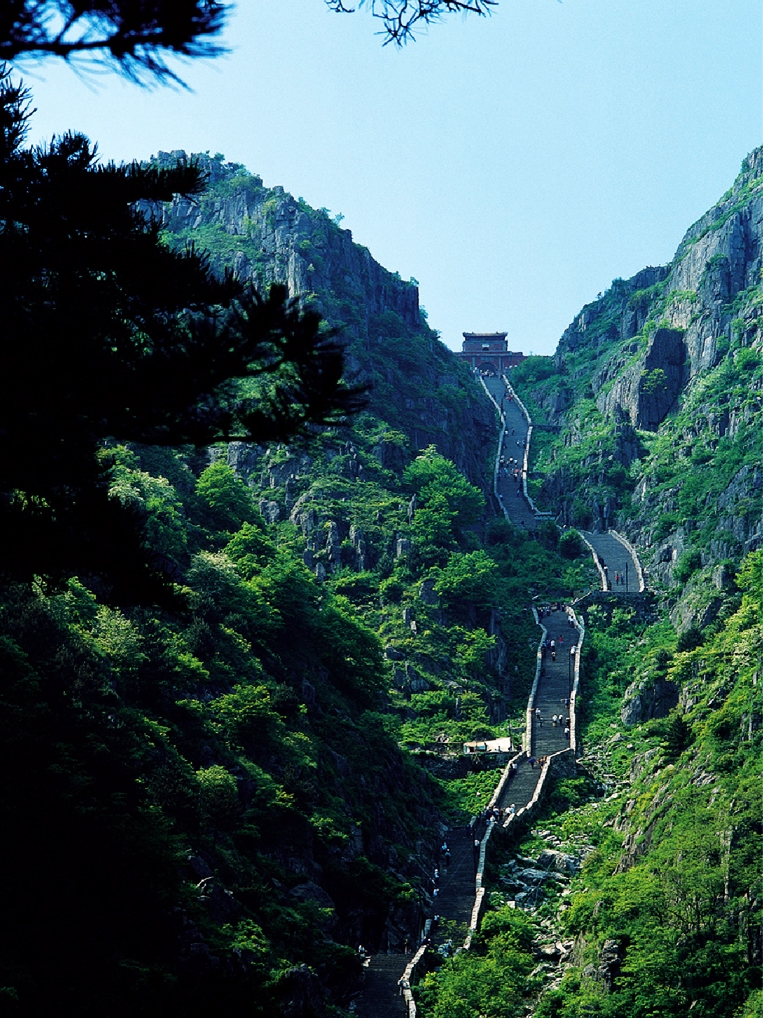
Mount Tai (Taishan)
The most famous of the Five Great Mountains, associated with sunrise, birth, and renewal. It has been a site of imperial pilgrimage for millennia.
historyHistory
Worship at Mount Tai dates back to the Neolithic period. It hosts the Dai Temple, a massive complex at its base.
starsSignificance
The Eastern Great Mountain, symbolizing stability and peace. A UNESCO World Heritage Site.
infoKey Details
Home to the Dai Temple, Azure Clouds Temple (Bixia Temple), and the Jade Emperor Peak.
auto_storiesDetailed History
Mount Tai has been a sacred site since prehistoric times, with archaeological evidence of ritual activity dating back to the Neolithic period. It became the foremost of China's sacred mountains, where 72 emperors performed the Feng and Shan sacrifices to Heaven and Earth. The first recorded imperial ceremony was by Emperor Wu of Han in 110 BCE. The Dai Temple at the mountain's base was built during the Han Dynasty and expanded over subsequent dynasties. While traditionally associated with imperial and Confucian rites, the mountain also has strong Taoist connections, with the goddess Bixia Yuanjun (Azure Cloud Sovereign) worshipped here since the Song Dynasty. Over 20 ancient temple complexes grace the mountain.
updateRecent Developments
Inscribed as a UNESCO World Heritage Site in 1987 as one of China's first cultural and natural heritage sites. The mountain has undergone extensive preservation work while accommodating millions of annual visitors. Modern amenities including cable cars and improved hiking trails have been added. The mountain remains an active site of worship, with major festivals held for Bixia Yuanjun attracting thousands of pilgrims. Environmental protection measures have been implemented to preserve the mountain's ecology and ancient trees, some over 1,000 years old.
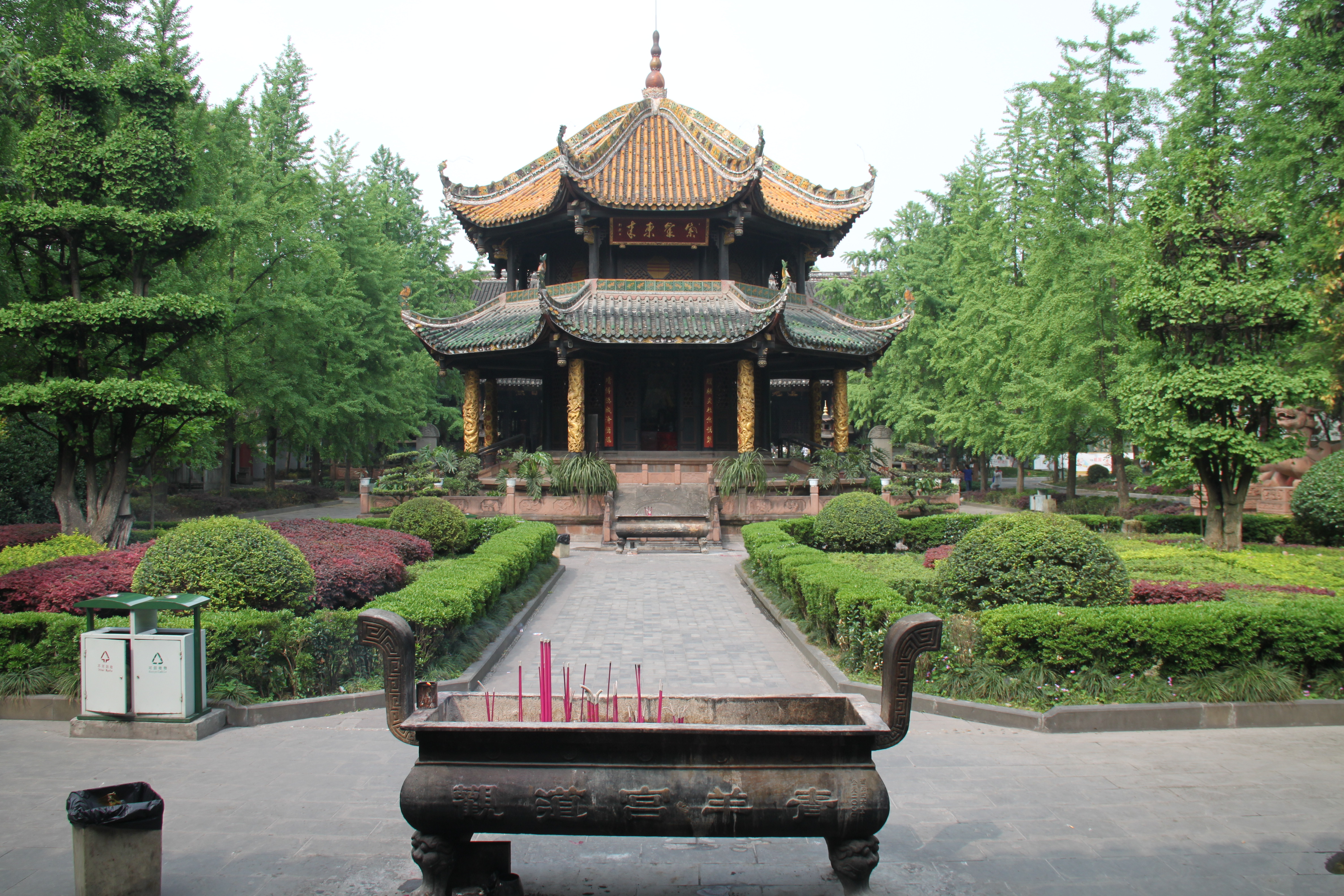
Qingyang Palace (Green Ram Temple)
Located in Chengdu, Sichuan, this is one of the most famous Taoist temples in Southwest China. Legend says Laozi preached the Tao Te Ching here.
historyHistory
Originally built in the Tang Dynasty, most current structures date from the Qing Dynasty. It is a key site for the Quanzhen sect.
starsSignificance
Known as the 'Number One Taoist Temple in West Sichuan'. A major cultural and religious center.
infoKey Details
Features the Eight Trigrams Pavilion and the bronze goat (green ram) statues believed to cure ailments.
auto_storiesDetailed History
According to legend, Laozi returned to this location and transmitted the Tao Te Ching to Yin Xi (the Guardian of the Pass). The temple was first built during the Tang Dynasty (618-907 CE) under Emperor Xuanzong, who had a special devotion to Taoism. The temple was destroyed during the Ming-Qing transition but was rebuilt during the reign of the Kangxi Emperor (1662-1722). The current layout with its notable structures, including the Eight Trigrams Pavilion, dates mainly from the Qing Dynasty. The temple houses a complete copy of the Taoist canon (Daozang) printed in the Ming Dynasty and is an important center for Taoist studies in Southwest China.
updateRecent Developments
The temple underwent major restoration in the 1980s after damage during the Cultural Revolution. It now serves as a major tourist attraction and religious site in Chengdu. The famous bronze goats continue to attract visitors who believe touching them brings health and good fortune. The temple hosts regular Taoist ceremonies and cultural events. In recent years, it has become a center for promoting Taoist culture through lectures, exhibitions, and traditional music performances.
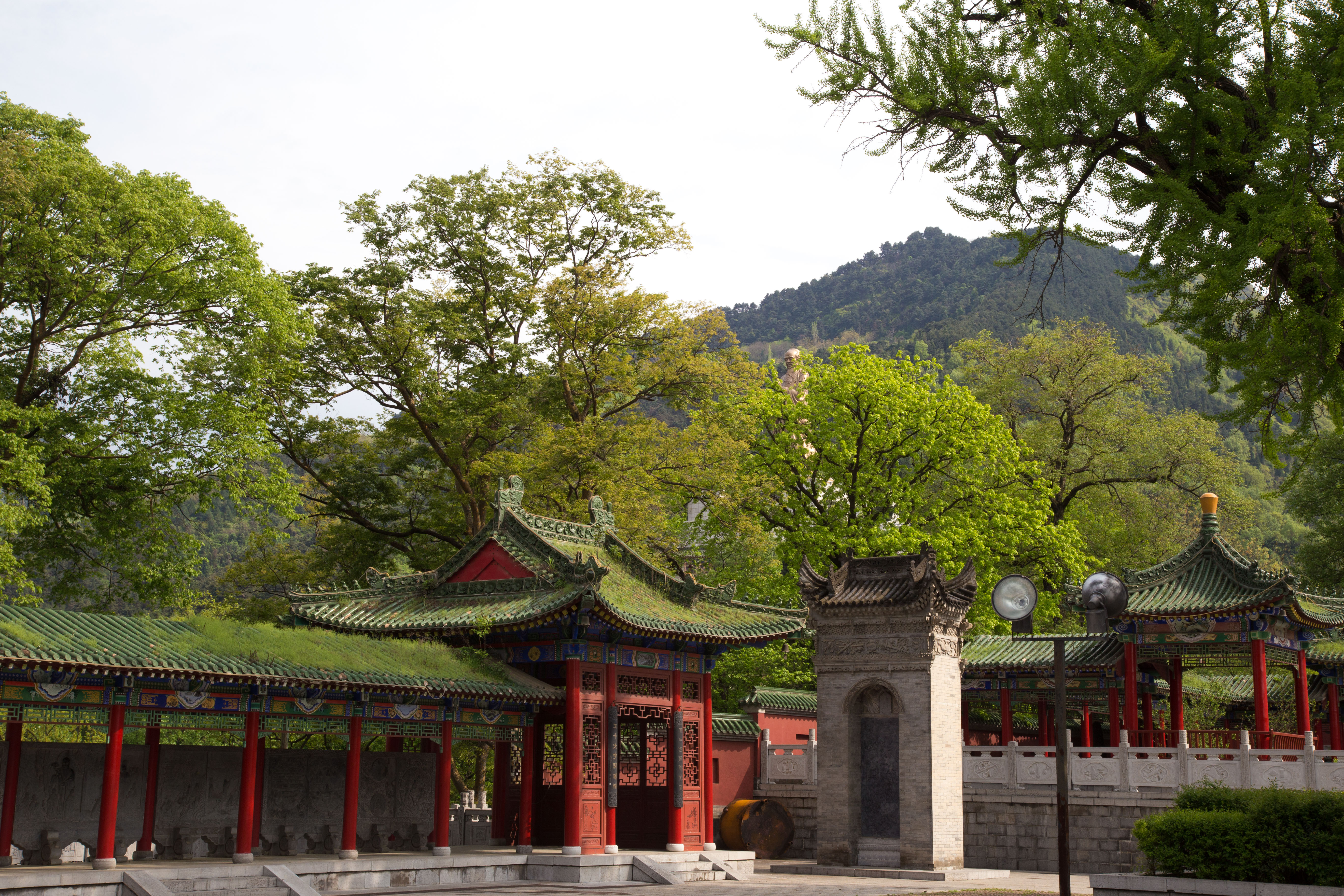
Louguantai
Located in Shaanxi province, this is traditionally regarded as the place where Laozi wrote the Tao Te Ching and gave his final teachings.
historyHistory
Dating back to the Zhou Dynasty, it is considered one of the earliest Taoist temples. It was a major center during the Tang Dynasty.
starsSignificance
Revered as the 'Ancestral Court of Taoist Scriptures'. The site where the Tao Te Ching was transmitted.
infoKey Details
Features the Platform of Teaching Scriptures and the Daqin Pagoda. Surrounded by bamboo forests.
auto_storiesDetailed History
Louguantai, meaning 'Tower for Observing' or 'Ascending Tower Platform', is traditionally believed to be the place where Laozi composed the Tao Te Ching around 500 BCE after meeting with Yin Xi, the Guardian of the Hangu Pass. Records indicate that a temple existed here as early as the Western Zhou Dynasty (1046-771 BCE). The site flourished particularly during the Tang Dynasty (618-907 CE) when Taoism enjoyed imperial patronage, as the Tang emperors claimed descent from Laozi. The complex once covered a vast area with numerous halls and pavilions. The Platform of Teaching Scriptures marks the legendary spot where Laozi transmitted his wisdom. The site has been rebuilt multiple times throughout history.
updateRecent Developments
Extensive restoration projects have been undertaken since the 1980s to preserve this historically significant site. The temple complex has been largely reconstructed based on historical records. It now operates as both a religious site and cultural heritage attraction. Archaeological excavations in the area have uncovered artifacts dating back to the Zhou Dynasty, supporting the site's ancient origins. The surrounding natural scenery including bamboo forests and mountain views has been preserved. Annual ceremonies commemorate Laozi and the composition of the Tao Te Ching.
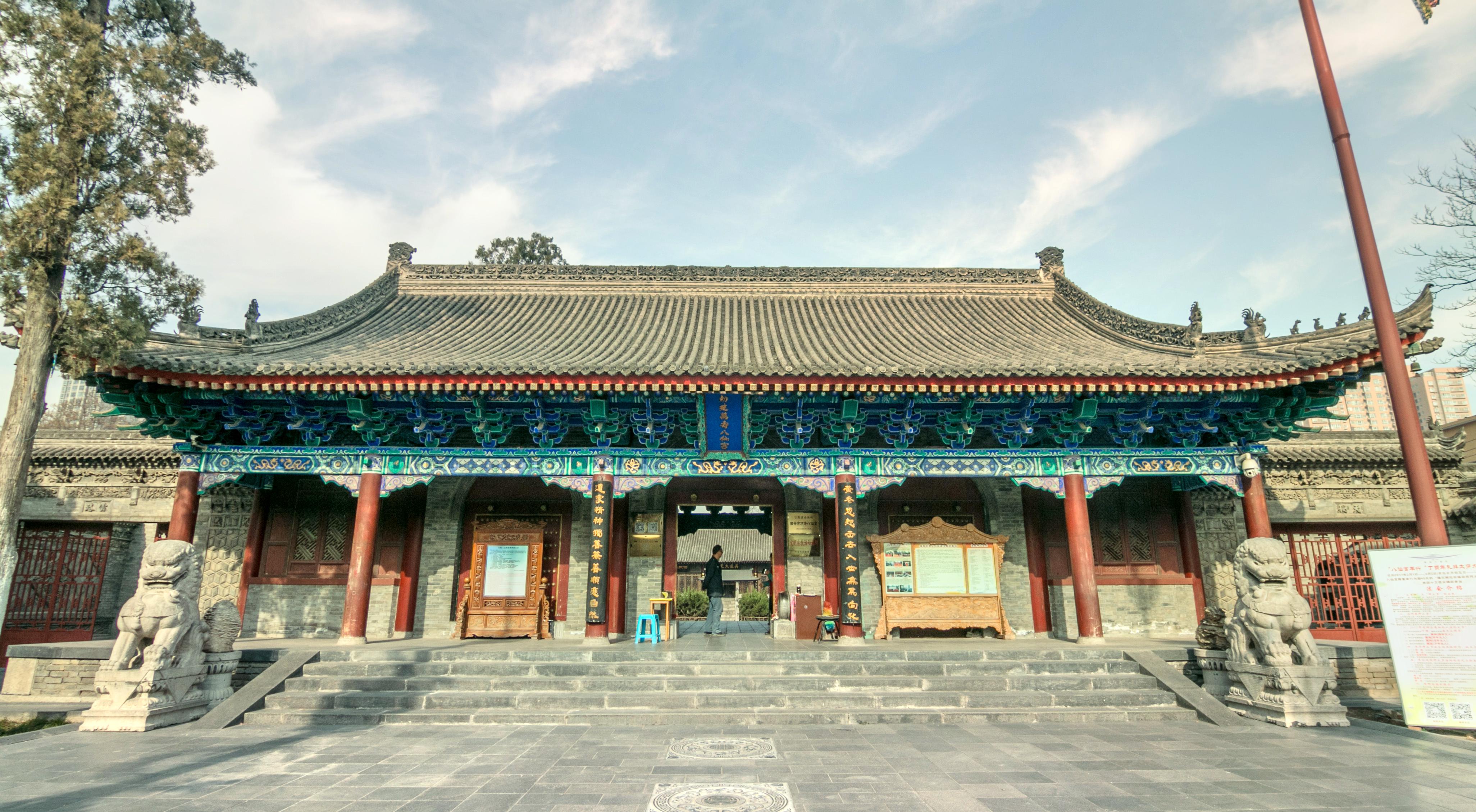
Baxian Palace (Eight Immortals Palace)
The largest Taoist temple in Xi'an, dedicated to the Eight Immortals. It is a popular place for worship and festivals.
historyHistory
Built in the Song Dynasty on the site of an ancient Tang temple. It was expanded in the Qing Dynasty.
starsSignificance
The largest Taoist complex in Xi'an. Famous for its lively temple fairs and connection to the Eight Immortals folklore.
infoKey Details
Features halls dedicated to the Eight Immortals, the Doumu Hall, and a peaceful garden atmosphere.
auto_storiesDetailed History
According to legend, the Eight Immortals gathered at a tavern on this site during the Song Dynasty (960-1279 CE), and after they left, the tavern owner discovered that they had been immortals. A temple was built to commemorate this event. The temple sits on the site of what was originally a Tang Dynasty (618-907 CE) wine shop. Major expansions occurred during the Ming and Qing dynasties. The temple complex consists of multiple halls dedicated to each of the Eight Immortals, as well as halls for the Three Purities and other Taoist deities. It became the largest and most important Taoist temple in the ancient capital of Xi'an, serving as a center for Taoist activities in the region.
updateRecent Developments
The temple has been restored multiple times, with major renovations in the 1990s and 2000s. It continues to serve as an active place of worship and hosts vibrant temple fairs, especially during traditional Chinese festivals and the birthdays of the immortals. The temple complex includes a traditional Chinese garden and serves as a cultural center promoting Taoist arts, calligraphy, and traditional medicine. It has become a popular tourist attraction in Xi'an while maintaining its religious functions. Regular Taoist ceremonies and festivals draw both devotees and visitors interested in traditional Chinese culture.
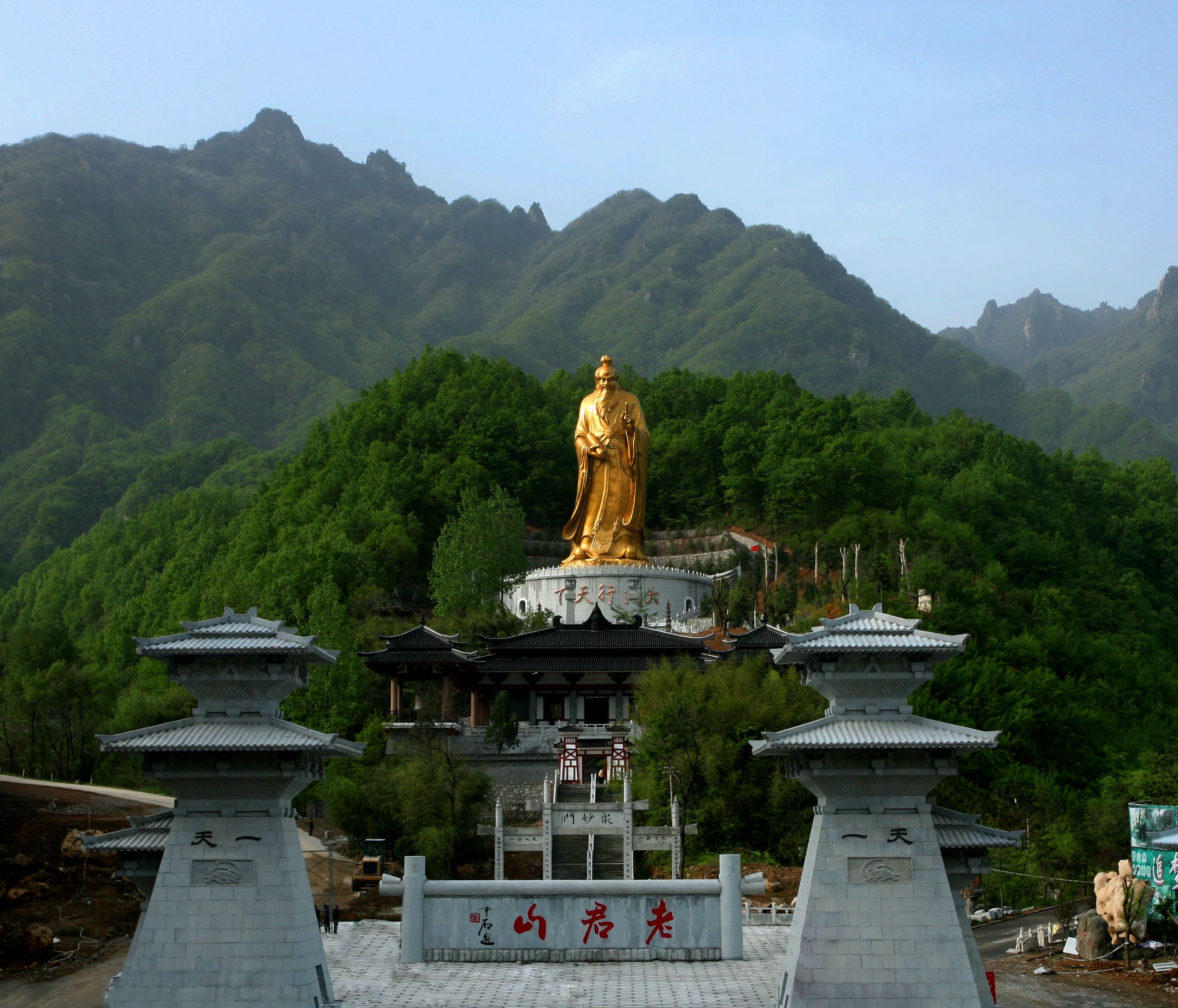
Mount Laojun (Laojunshan)
A sacred mountain in Henan province dedicated to Laozi, the founder of Taoism. Known for its stunning natural scenery and the Golden Hall at its peak.
historyHistory
Named after Laozi (Lord Lao), the mountain has been a site of Taoist worship since ancient times. Legend says Laozi cultivated the Tao here.
starsSignificance
Sacred mountain dedicated to Laozi, the founder of Taoism. Known for its natural beauty and the Golden Hall shrine.
infoKey Details
Features the Golden Hall at 2,297m elevation, Laojun Temple complex, and stunning alpine scenery with stone forests and meadows.
auto_storiesDetailed History
Mount Laojun, literally 'Old Lord Mountain', is named after Laozi (Lord Lao), the legendary founder of Taoism. According to tradition, Laozi lived in seclusion and cultivated the Tao on this mountain. The mountain has been a sacred Taoist site for over 2,000 years. During the Tang Dynasty, when Taoism enjoyed imperial patronage, temples were built on the mountain to honor Laozi. The current Golden Hall (Jinding) at the summit was reconstructed in recent decades. The mountain is part of the Funiu Mountain range and features spectacular granite peaks, alpine meadows, and pristine forests. It combines natural beauty with religious significance, making it both a pilgrimage site and a nature reserve.
updateRecent Developments
In recent years, major infrastructure improvements have been made including cable cars and viewing platforms while preserving the natural environment. The Golden Hall has become an iconic landmark with its gleaming golden dome visible from afar. The mountain is now a popular destination combining religious pilgrimage with eco-tourism and hiking. Conservation efforts focus on protecting the unique alpine ecology and rare plant species. The site attracts both Taoist practitioners and nature enthusiasts, with visitor facilities developed to accommodate tourism while maintaining the mountain's sacred character.
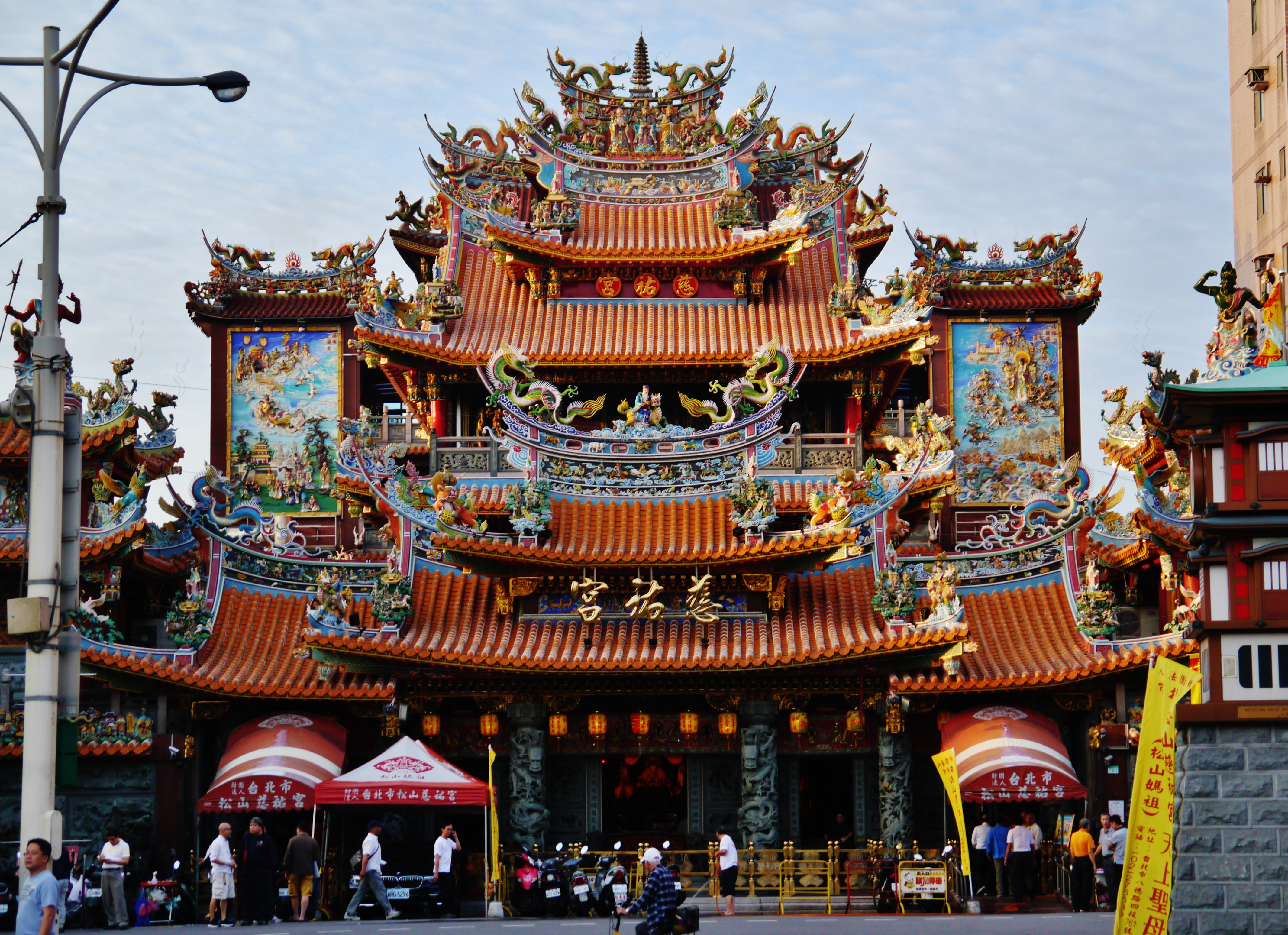
Ciyou Temple (Taipei)
One of the oldest and most important Taoist temples in Taipei, dedicated to Mazu, the sea goddess. Known for its elaborate underground passages and ornate architecture.
historyHistory
Founded in 1868 by immigrants from Fujian province. It became a major center of Mazu worship in northern Taiwan.
starsSignificance
Major center of Mazu worship in northern Taiwan. Famous for underground spirit passages and cultural preservation.
infoKey Details
Features elaborate roof decorations, underground passages with moral teaching murals, and traditional Taiwanese temple architecture.
auto_storiesDetailed History
Ciyou Temple was established in 1868 (during the Qing Dynasty) by immigrants from Quanzhou, Fujian province, who brought their devotion to Mazu, the goddess of the sea. The temple was originally a small shrine but grew in importance as the area developed. It underwent major expansions in the early 20th century. The temple is famous for its unique underground passages decorated with colorful murals depicting Buddhist and Taoist stories, hell scenes, and moral teachings. During the Japanese colonial period and martial law era, the temple served as a community center and place of resistance. The current ornate structure, with its intricate roof decorations and elaborate carvings, represents traditional Taiwanese temple architecture at its finest.
updateRecent Developments
The temple has undergone careful restoration to preserve its historical architecture while accommodating modern visitors. It remains an active place of worship with regular festivals, especially during Mazu's birthday celebrations which attract thousands of devotees. The underground passages have been renovated and are now a major attraction, offering visitors insight into traditional Chinese moral and religious teachings. The temple continues to serve as an important cultural landmark in Taipei, bridging traditional faith practices with contemporary urban life.
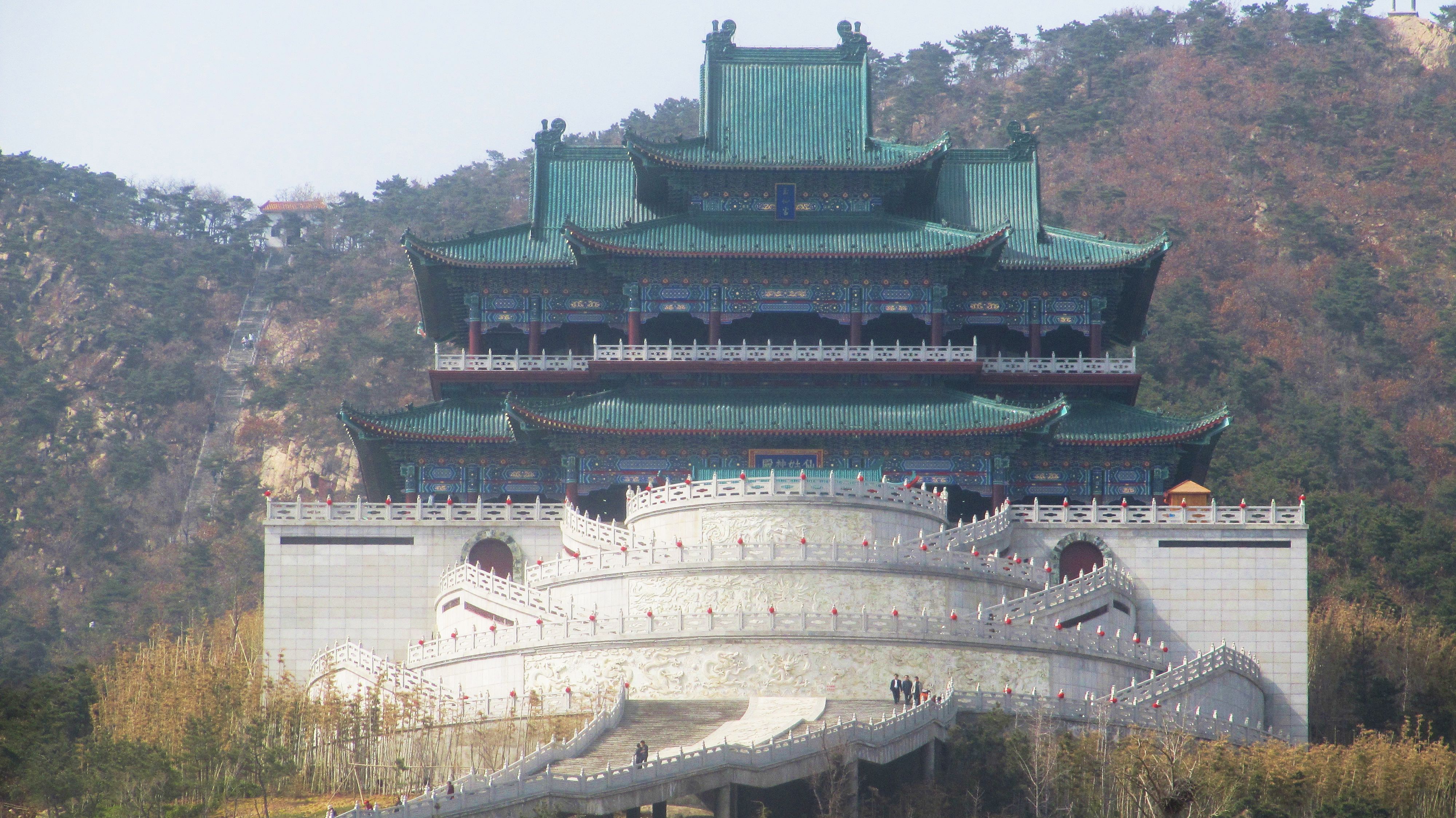
Xiangu Temple (Xianguting)
A sacred Taoist temple in Shandong dedicated to the immortal Xiangu (He Xiangu), one of the Eight Immortals. Located in a serene mountain setting.
historyHistory
Built to honor He Xiangu, the only female among the Eight Immortals. The temple has been a pilgrimage site for centuries.
starsSignificance
Important pilgrimage site dedicated to He Xiangu, the female immortal. Center for women seeking blessings and spiritual cultivation.
infoKey Details
Features the main Xiangu Hall, mountain springs, meditation caves, and scenic views of Mount Yi.
auto_storiesDetailed History
Xianguting, or Xiangu Temple, is dedicated to He Xiangu, the only female member of the legendary Eight Immortals. According to tradition, He Xiangu achieved immortality through Taoist cultivation and is associated with purity, longevity, and the lotus flower. The temple was built during the Tang Dynasty on Mount Yi (Mengshan), a mountain with deep Taoist connections. The site was chosen because local legends claim He Xiangu practiced meditation here. Throughout the Song and Ming dynasties, the temple complex expanded as devotion to the Eight Immortals grew popular. The temple features a main hall dedicated to He Xiangu, along with shrines to other immortals. The mountain location provides a tranquil setting conducive to spiritual practice, with natural springs and ancient trees adding to the sacred atmosphere.
updateRecent Developments
Recent years have seen restoration of the temple buildings and improved access roads while maintaining the natural mountain environment. The temple has become increasingly popular as interest in traditional Chinese culture and the Eight Immortals legends has grown. Special programs and festivals celebrating He Xiangu attract both devotees and cultural tourists. The site has developed educational programs about Taoist history and the role of women in Chinese religious traditions. Conservation efforts protect the mountain's ecology and historical structures.
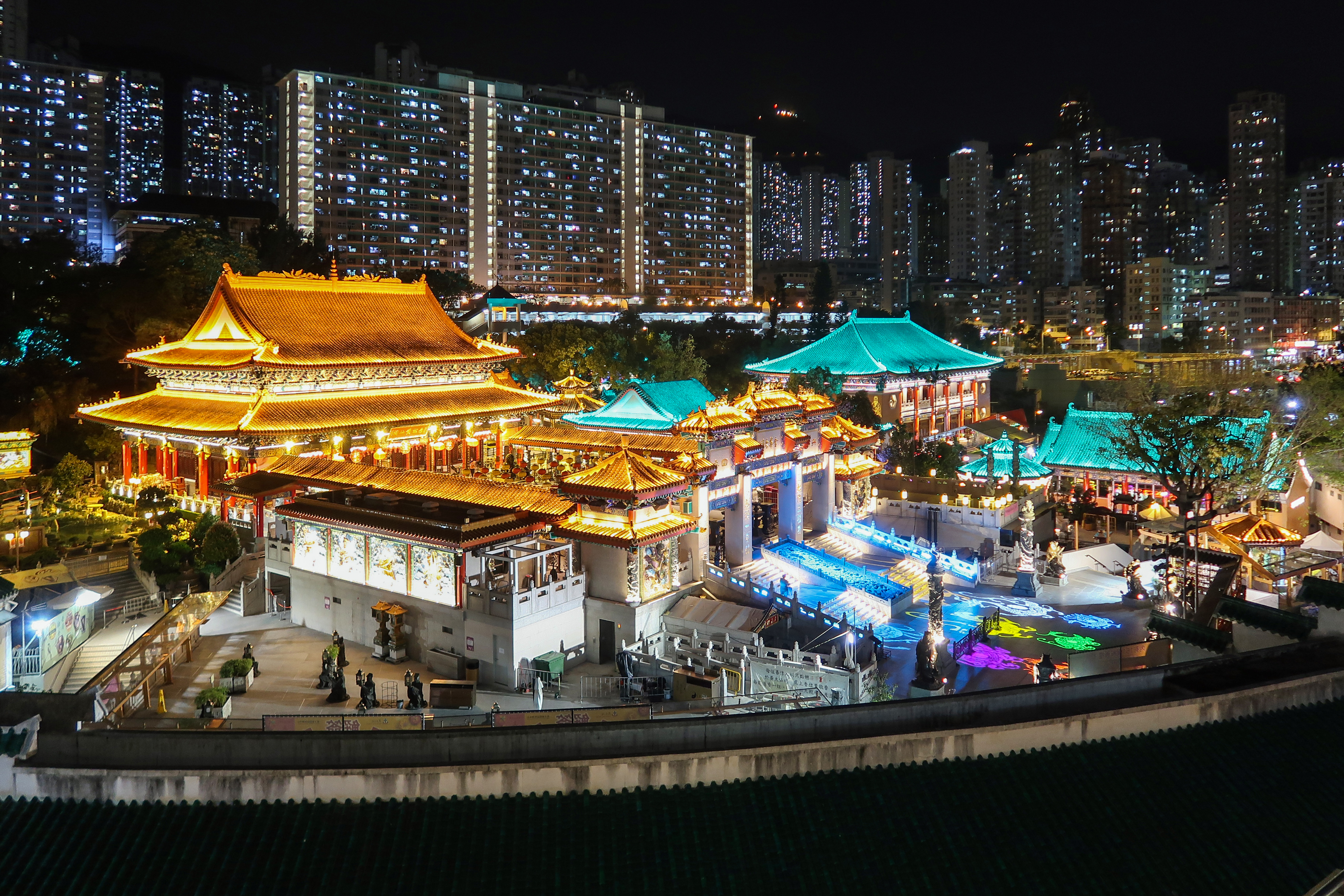
Wong Tai Sin Temple (Hong Kong)
Hong Kong's most famous Taoist temple, dedicated to Wong Tai Sin, known for the practice of Kau Cim fortune telling and granting wishes.
historyHistory
Established in 1921, the temple was brought from Guangdong. It quickly became Hong Kong's most popular temple for fortune telling and prayers.
starsSignificance
Hong Kong's most visited temple. Famous for fortune telling, wish fulfillment, and the practice of Three Religions in harmony.
infoKey Details
Features ornate main hall, Good Wish Garden, Nine Dragon Wall, fortune telling booths, and traditional Chinese architectural elements.
auto_storiesDetailed History
Wong Tai Sin Temple, formally known as Sik Sik Yuen Wong Tai Sin Temple, was established in 1921 when a Taoist master brought a sacred portrait of Wong Tai Sin (a legendary healer and immortal) from Guangdong province to Hong Kong. Wong Tai Sin, also known as Huang Chu-ping, was a shepherd boy in the 4th century who became an immortal after 40 years of Taoist cultivation. The temple is famous for the practice of Kau Cim (竹籤), a fortune telling method using fortune sticks. The saying 'What you request is what you get' (有求必應) reflects the temple's reputation for granting wishes. The temple complex follows traditional Chinese architectural principles with halls for the Three Religions (Taoism, Buddhism, Confucianism). It has become an integral part of Hong Kong culture, visited by people of all backgrounds seeking guidance and blessings.
updateRecent Developments
The temple underwent major renovations in recent decades to accommodate the millions of annual visitors while preserving its spiritual character. Modern facilities have been added including a medical clinic continuing Wong Tai Sin's healing tradition. The Good Wish Garden, designed according to feng shui principles, was added as a peaceful retreat space. The temple management has embraced digital technology, offering online fortune telling and virtual worship during the pandemic. It continues to host major festivals, especially during Chinese New Year when it opens at midnight for the first incense offering, attracting tens of thousands of worshippers. The temple remains a cultural icon representing Hong Kong's unique blend of tradition and modernity.